Caveat: Before you read this blog, I need to go on record stating that I go out to Las Vegas 2-3 times a year usually for golfing but also to see good live shows. While there I will play craps, blackjack and/or slots, but I’m not a big gambler, I’ve never won big and I’ve never lost big – and that’s the way I’d like to keep it (OK, maybe I could handle winning big one time!). It just seems that lately gambling is everywhere, so I decided to look a little deeper.
What I found was . . .
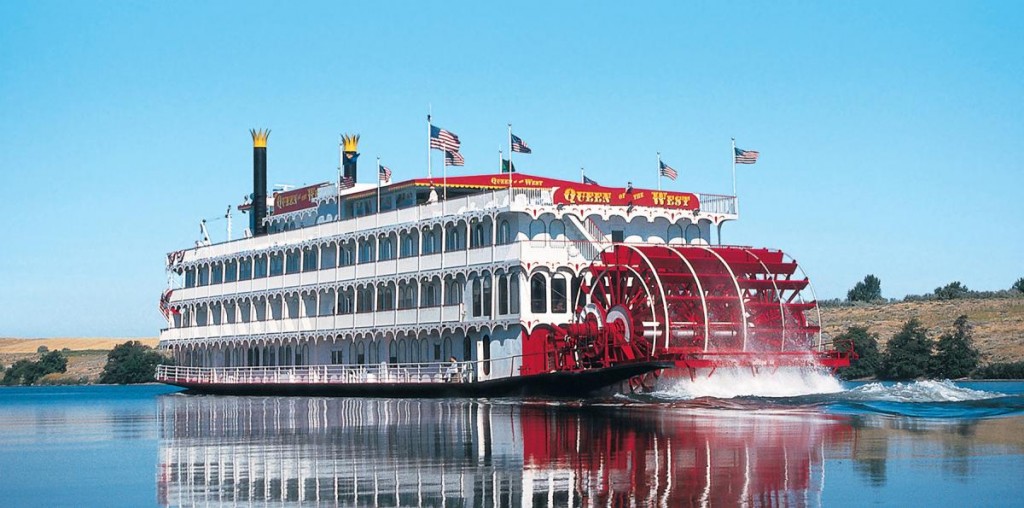
Gambling in the U.S. was established early on, like in the colonial days, where the upper class bet primarily in lotteries or on horses, with New Orleans emerging as the national leading gambling center with gambling taking place in the city and on river boats. Later, the increased population of California brought on by the gold rush in 1849, moved the gambling capitol from New Orleans to San Francisco. Sports betting in the U.S. spread to other western cities that were the end of cattle trails like Deadwood, South Dakota and Dodge City, Kansas or major railway hubs like Kansas City and Denver. By the turn of the century, cities like New York and Chicago got heavily into the now-illegal gambling scene by paying off the police.
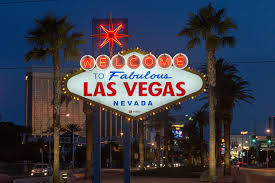
Then, in an effort to overcome the effects of The Depression, Nevada legalized gambling in 1931. While gambling was still going on in much of the U.S. illegally, stricter law inforcement drove people, particularly ‘the mob’ to Las Vegas – which, through the 50s and 60s became the ‘Gambling Capitol of the U.S.’
All was pretty normal until May 2018 when the U.S. Supreme Court struck down the Professional and Amateur Sports Protection Act and thus allowed 40 states to offer gambling to the public. Then gambling as a business surged from a $7 billion business in 2018 to $167 billion last year. The dramatic growth was not only attributed to the fact that now 40 states allow gambling, but rather that betting became something you could do on your phone. It’s now handier than ever to lose money.
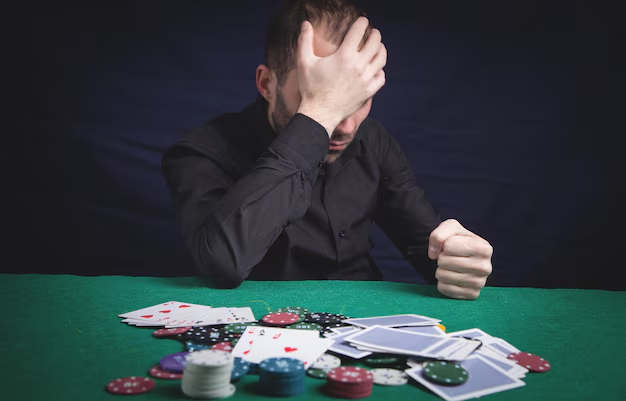
Anyone that’s paying attention can see that gambling has increased its awareness significantly over the last few years. Ads on television constantly promote it and television commentators often quote odds of something happening during the game. The Super Bowl is known for it’s ‘prop bets’ that range from everything from, will a field goal kicker hit the crossbar with the ball – commonly known as a ‘doink’, to what color Gatorade will the winning coach be drenched with. It seems light and fun and in fact, it can be an enjoyable social event among friends. But the ‘serious’ gambler can expect some of the following downsides:
- Severe financial ruin (debt, bankruptcy, loss of assets)
- Mental health crises (depression, anxiety, suicide)
- Strained relationships due to lying or theft
- Significant stress (insomnia, hypertension)
So, gambling has got that going for it!
For me, gambling reached a new low last week when I saw that companies like Polymarket and Kalshi, boasting trades of $500 million, offer bets on the war in Iran – like, how many U.S. casualties, timing of a ceasefire, when the regime will change, when the Strait of Hormuz will open, etc. Disgusting!
FYI: I’ll be in Vegas in a couple of weeks looking for that ONE BIG WIN!


