By Suzanne Sparrow Watson

As Christmas approaches this week and we prepare for the holidays, it’s easy to find yourself swept up in a wave of nostalgia. At Christmas, nostalgia is everywhere: in the music, the movies, the recipes passed down through generations. We seek out the flavors and rituals of our childhoods, hoping to recapture the magic of simpler times. We remember sticky fingers from candy canes, the glow of tree lights, and the anticipation of gifts. Or if you were like me, you’d already peeked at your gifts and couldn’t wait to officially receive them. Today, nostalgia is a cherished part of the holiday season, a gentle ache for times gone by. But did you know that, centuries ago, nostalgia was considered a dangerous illness—one that could land you in the infirmary, or worse?
The word “nostalgia” was coined in 1688 by Swiss physician Johannes Hofer, who combined the Greek words nostos (“homecoming”) and algos (“pain”). Back then, nostalgia wasn’t just a wistful longing for the past—it was a serious medical diagnosis, closer to what we now call “homesickness.” Hofer observed the condition most often in young people far from home: soldiers, servants, or children sent away to the countryside. The symptoms were dramatic: melancholy, loss of appetite, disturbed sleep, even heart palpitations and, in extreme cases, suicide. Autumn, with its falling leaves, was considered especially dangerous, as it stirred memories of home. Hofer’s cure was simple: send the patient home. Until that was possible, treatments ranged from vomiting and mercury to opium—remedies that sound more like punishments than comfort. Swiss soldiers feared that singing traditional cowherd songs could trigger nostalgia, so performing these songs was reportedly punishable by death. Wow – even the America’s Got Talent buzzer isn’t that draconian!

Fast forward to today, and nostalgia is no longer something to die from—just something to sigh about. And studies show that people between the ages of 20-30 suffer the most from it. Perhaps because they are at the age where the “magic” of the Christmas season is either swept away by the grind of a full-time career or they are responsible for creating memorable Christmases for their own children. But why does Christmas, in particular, evoke such powerful feelings of nostalgia? The answer lies in the holiday’s traditions. Christmas is a time when families gather, stories are retold, and memories are made and revisited. The sights, sounds, and smells of the season—gingerbread baking, carols playing, pine needles underfoot—act as triggers, transporting us back to moments of warmth and belonging. Not to mention childhood, when Christmas meant we just showed up, and everything was wonderous.
It’s remarkable to think that what was once seen as a weakness or even a disease is now recognized as a source of strength. In the 19th century, nostalgia faded as a formal diagnosis, absorbed into broader concepts like melancholy and trauma. Today, psychologists see nostalgia as largely beneficial—a resource that can boost mood, inspire optimism, and strengthen social bonds. So, as you hang ornaments on the tree or sip hot cocoa by the fire, let yourself feel nostalgic. Remember those who are far from home, as well as those who are no longer with us. Reach out to friends and family, share stories, and create new memories.
Nostalgia, once feared as a deadly disorder, is now a gift—a way to honor the past while embracing the present. This Christmas, let’s celebrate the bittersweet beauty of memory, and let it bring us closer together.
As I have done for the past ten years, I am sharing one of our family’s most nostalgic memories – Pop’s Christmas Ice Cream Fizz recipes. Enjoy!
POP’S CHRISTMAS ICE CREAM FIZZ

Fill a blender 1/4 full of ice cubes
Add 6 jiggers of gin
Add 4 scoops of French Vanilla ice cream
Add 1 small bottle of soda water (the size you get in a 6-pack)
My brother Bob adds an egg, so the white adds some froth, brother Jack doesn’t add an egg. Personally, I’d add it just because you can then claim it’s a protein drink.
Just blend it well and – voila – you have a concoction sure to put a positive spin on everyone and everything!
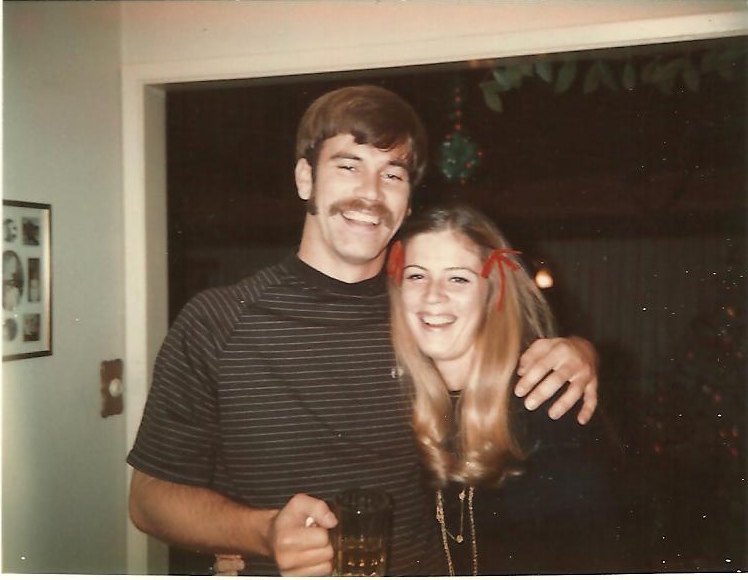
Our mom served them in a wine glass with a dash of nutmeg. As we got older, we would conspire with Pop and ditch the wine glass for a chilled beer mug from the freezer. Saved having to go back for seconds…or thirds.
My brother and I wish all of our readers a very happy holiday season, blessed with all the presence you could ask for.
Merry Christmas! Love your writings
I really must try this recipe!
Feeling lots of nostalgia this holiday season. Thinking of you and hoping you have a very Merry Christmas!
Oh, Suzanne,
This post brought about so many beautiful memories to me!!
Christmas was always the favorite holiday for my twin and me, and as you know, she is no longer with us.
We always celebrated with the entire family on Christmas Eve at our grandparents farm in independence, Kansas.
That was where there was plenty of food, drinks for those legal age and numerous presents.
We all went home to celebrate Christmas Day with our immediate families and that’s when Santa Claus came very early. Of course we had already discovered our presents and skllfully rewrapped them. I never remember really believing in Santa Claus.
It was a beautiful day!!💛 Merry Christmas and LOVE!
Although the participants have changed across the years, the joy of the season remains. Have a Merry Christmas and a Happy New Year, Suzanne!
A lovely message for the Christmas season.
You have stirred memories from the past.
Thank you !