By Suzanne Sparrow Watson

It’s tough to escape the news these days. It is seemingly everywhere and with today’s 24-hour news cycle, it feels like notable events are happening every second. With the death of Ted Turner, arguably the inventor of 24-hour news, there were several articles published about his impact on news. One article noted that it would be a welcome respite if, for just one day, we didn’t have ANY news, as happened on April 18, 1930, when the BBC announced that nothing newsworthy had occurred that day. At the start of its regular news broadcast at 8:45 p.m., the BBC announced, “Good evening. Today is Good Friday. There is no news.” The BBC had a reputation to uphold – it had traditionally decried sensationalist news reporting. They shied away from covering local automobile accidents and fires in favor of big-picture affairs that had global repercussions. So, when they assumed there was no news, they kept the bar high, axed the nightly news, and played piano music in its place.
As it turned out, the news department made an ill-informed, or rather, non-informed, mistake. In reality, that day was a very notable news day, as nationalist rebels conducted a raid on British commonwealth forces in India. But communication lines were cut during the attack, making it impossible for the BBC to be aware of the news. Under the impression there were no major headlines that day, the network felt no need to lower its broadcast standards solely to fill time.
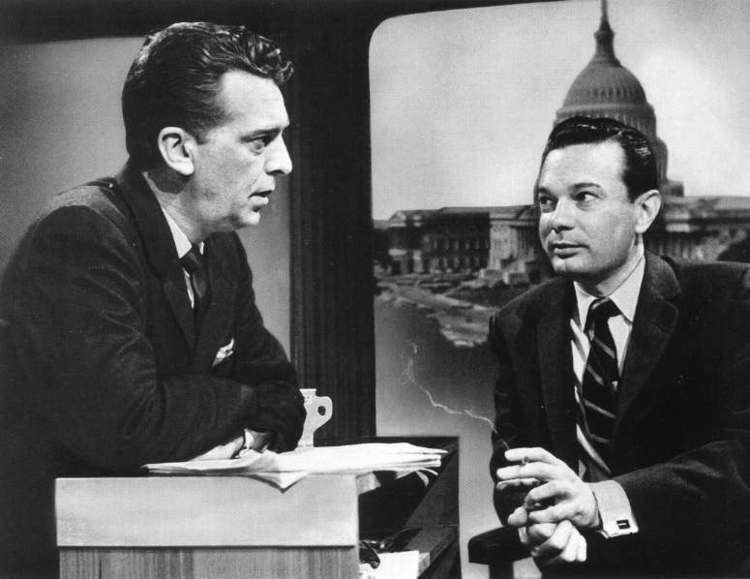
Imagine that – a news network deeming to not lower its standards just to fill airtime. According to the latest Pew research, most nightly newscasts devote a surprisingly small share, often only 5–25%, to what most people would consider “important” or high‑impact news. The rest is typically softer material: human‑interest stories, consumer tips, health trends, weather, and promotional segments. And of course, many of the cable channels are rife with opinion and low on accurate information.
While exact percentages vary by network and by day, long-term content analyses show the following patterns for local newscasts:
- Hard news (politics, world events, economics): 5–25%
- Hard news has steadily declined over decades as networks chase broader audiences and advertiser‑friendly demographics.
- Soft news (health, lifestyle, human interest): 30–50%
- These segments are cheaper to produce and more reliably “pleasant” for viewers.
- Weather: 10–15%
- Weather is one of the most-watched parts of any broadcast.
- Crime stories: 10–20%
- Crime is often overrepresented relative to actual crime rates.
- Network promotion (teasers for upcoming shows, cross‑promotion): 5–10%

However, the times, they are a changin’. Only around 20% of adults under 30 regularly watch TV news. Gone are the days when the family gathered around a TV to watch anything, much less news. Younger people prefer to get their news digitally. Most read news on their phones. If they are watching anything it is online (You Tube or Tik Tok), or they listen to news on podcasts. God help the person getting news from Facebook and Instagram, the home of bots and third-grade name calling. Bottom line: young adults overwhelmingly get news from social media, more than any other age group.
All of this is happening at a time when AI is changing the landscape of just about everything. I don’t think it’s too far-fetched to assume that soon an AI program will determine what goes into a newsfeed. And for that matter, have an AI robot deliver the news. All I can hope is that whoever is programming the AI looks to the BBC on April 18, 1930, to establish its standards. I know, wishful thinking.
To quote the Beach Boys, “Wouldn’t It Be Nice.” No news would solve my information addiction and free up more time in my day. However, I have not watched the mainstream news on my TV since 1969, except in airports where we are subjected to it continually.
There are much better ways to stay informed.
Agree, Burt. I’m almost at a point where I don’t want to stay informed!!! Thanks, as always, for your comment.
Unfortunately, or fortunately (I’m not sure of which), I must stay informed on the issues as I have just become chairman of the Lake County Republican Party. I stick to the Alternative News platforms, though. There’s more truth there.
Burt, I applaud you for getting involved. California needs more people like you!
Wishful thinking!
Thanks for this, Suzanne.