By Suzanne Sparrow Watson
We left Vienna on a bright blue morning and headed for Prague – our last stop on this tour. The drive lasted almost four hours, winding through farm country and small burgs. It didn’t take long after crossing the border into the Czech Republic to notice differences from Germany and Austria. Most notably for me was the architecture. There were several buildings in each town that reflected the old Soviet prison-like style. I knew from some reading I did prior to the trip that Prague would be a mix of old world, gothic, mystic and modern influences and I looked forward to seeing all that I could.
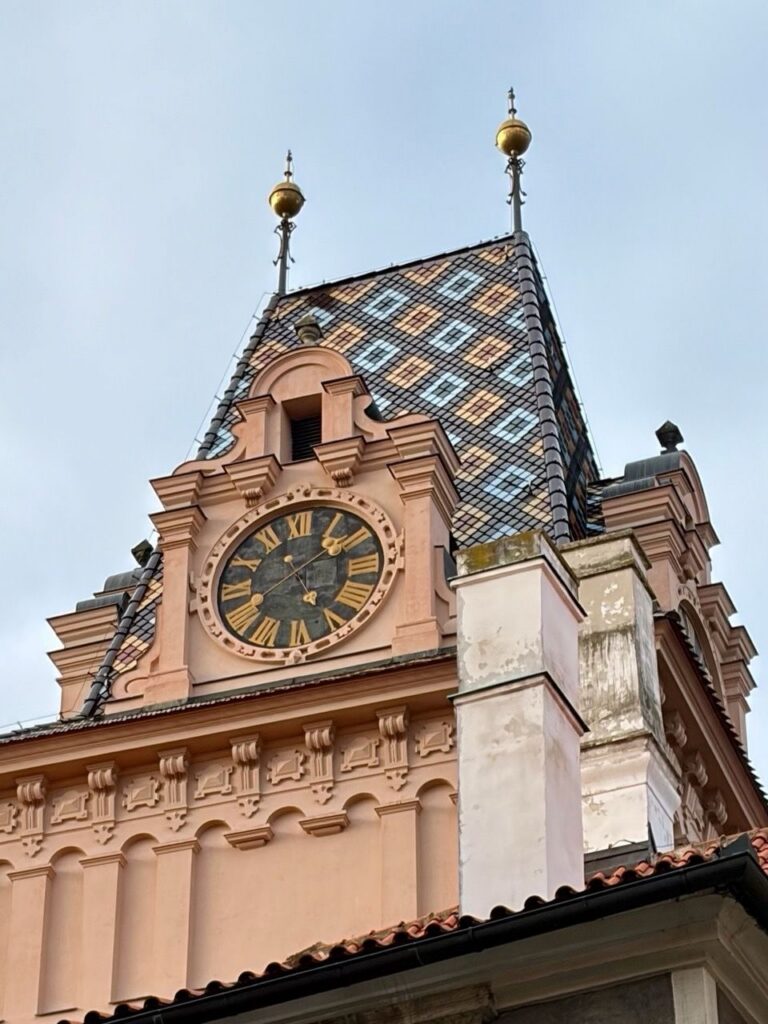
Once we arrived it Prague, we had just enough time to unload our suitcases before heading out for a tour of Brandy’s Castle. It was originally a medieval Gothic castle, rebuilt into a Renaissance residence in the mid-16th century, and eventually became one of the most important Habsburg residences in the Czech lands. They are displays of breathtaking jewels and an array of military uniforms that span the centuries. At the end of the tour we were treated to a private concert in the small chapel. Two sisters, one on violin and the other on piano, played Mozart, Dvorak and Smetana compositions. They were both award-winning musicians and between their talent and the beautiful, serene surroundings it was one of the most tranquil moments of the trip. When the concert ended, we walked a short distance to a wonderful Italian restaurant. The chef once worked for Gordon Ramsay, but since we didn’t hear any screaming from the kitchen, I guess he missed that part of Gordon’s training.
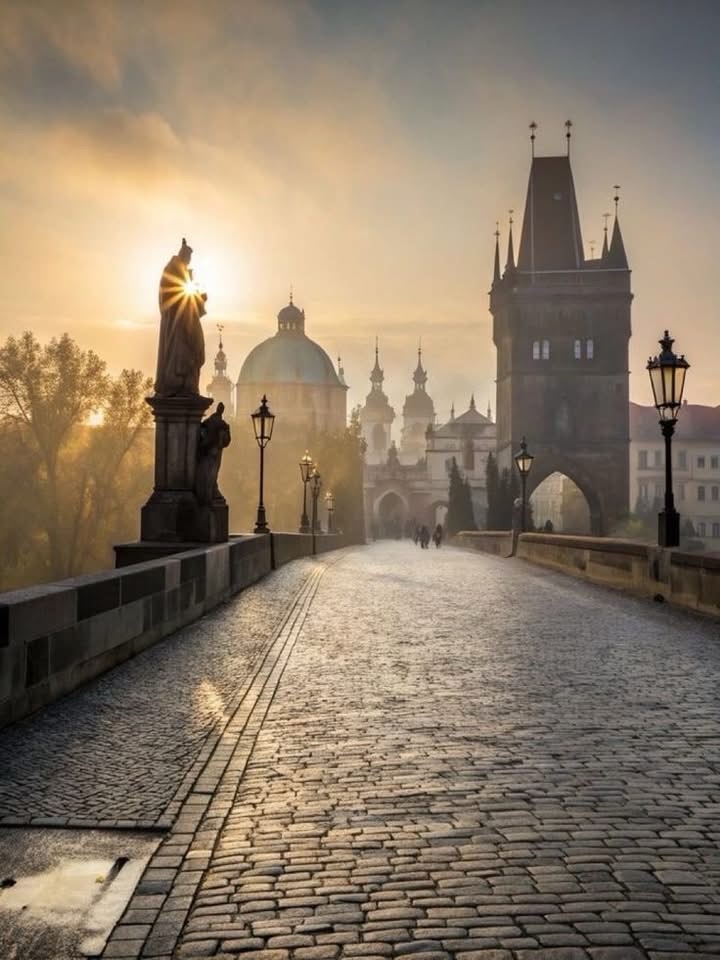
The following morning we were up bright an early for a tour of Prague. We started with a city guide that took us through Prague Castle. Again, the art and the architecture were overwhelmingly beautiful. We walked down the 119 steps from the castle to the street that took us to the Charles Bridge. The bridge is mystical and haunting…and dangerous. I had read beforehand that it is the third most likely place in Europe to be pick-pocketed. I knew that was true when our tour guide, generally a pretty blase woman, told us before crossing it that we needed to secure our backpacks, wallets, purses, and phones. I have to admit that took a little bit away from the crossing, given that I was holding on to my crossbody bag like it was George Clooney. Once across, and unscathed, we visited the Old Town Square, the Astronomical Clock, and St. Giles Cathedral, which was the filming location of Mozart’s wedding scene in the film, “Amadeus”. We were typical tourists and ate at a restaurant near the clock. I’m sure we paid three times what we would have two blocks away, but the food was good and the bathroom clean, so that made it four stars in our book.
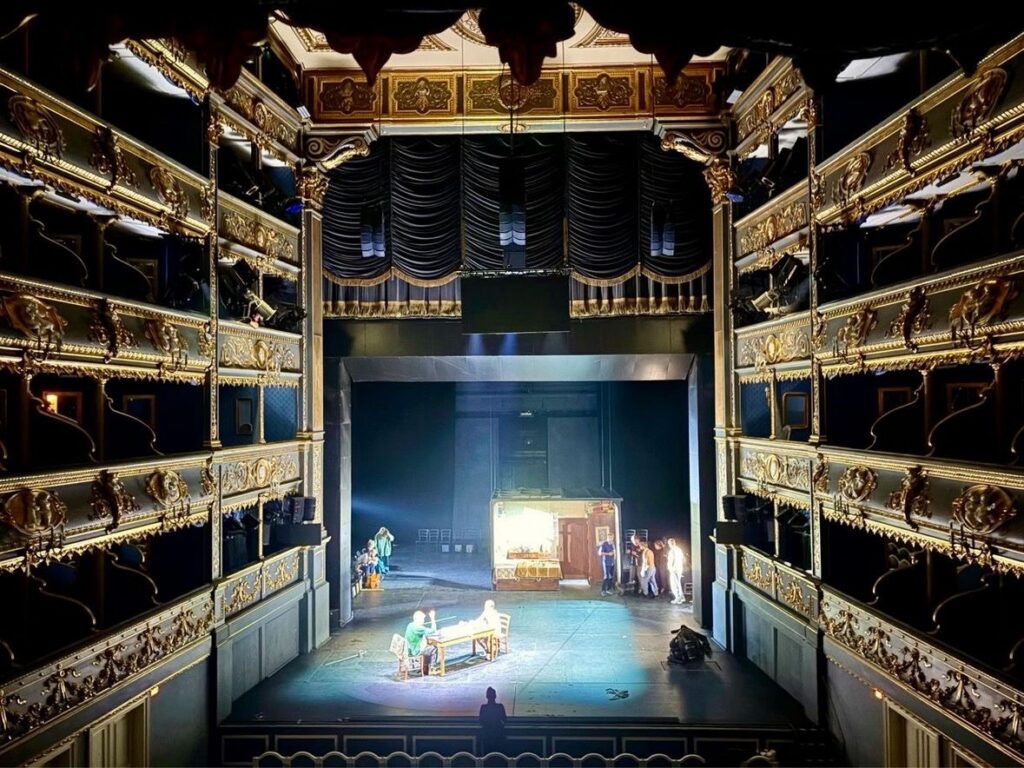
That afternoon we saw the beautiful Estates Theater, one of the oldest theaters in Europe. It is primarily where Mozart performed when he visited Prague. Again, and how many times can I say this, the architecture was stunning. We had a tour guide whose enthusiasm for the theater almost made up for the fact that his English was undecipherable. Still, I always appreciate someone who loves their job that much. We returned to our hotel for an hour before we headed off again to St. Clements Cathedral for a concert featuring Vivaldi’s Four Seasons. Again, the surroundings and the talent of the musicians were outstanding, and it made for a very peaceful night of entertainment.
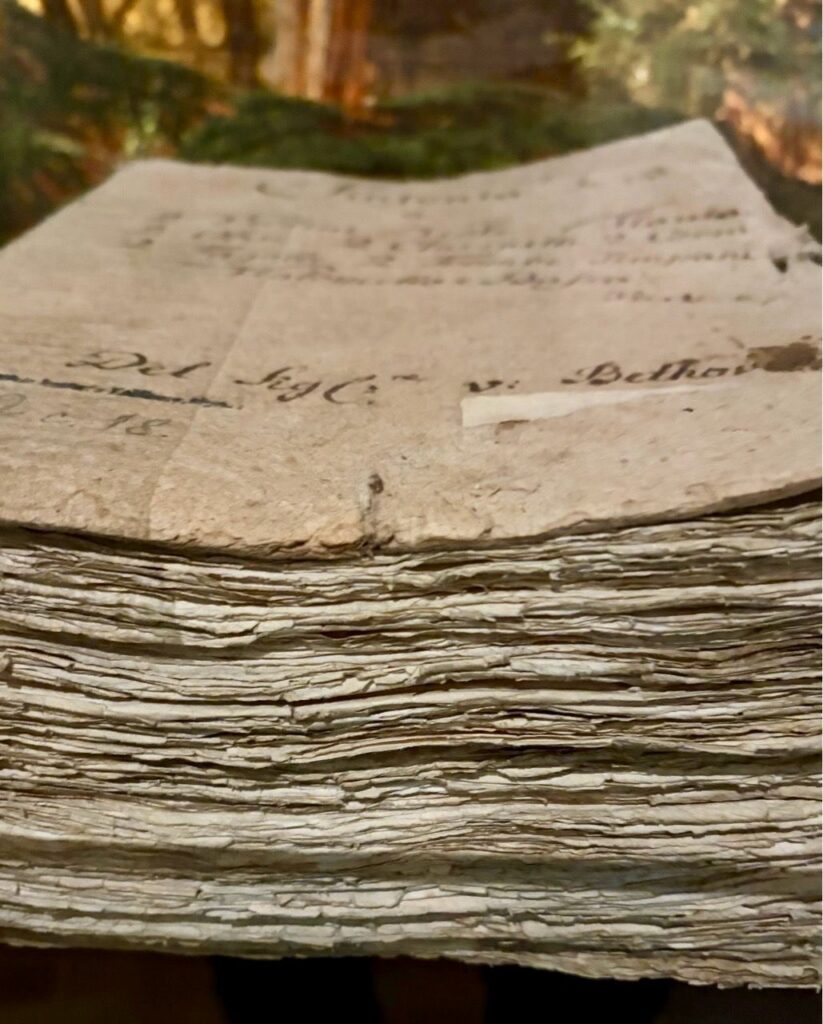
The next day was our last in Prague – and one of my favorite days on the whole tour. We started with a tour of Lobkowicz Palace, the only privately owned residence in the Prague Castle complex. The family has owned it since the mid-16th century, with the exception of the 63 years between 1939 and 2002. They own original manuscripts from Beethoven and Mozart, the largest Delft porcelain dining service, as well as the largest art collection in the Czech Republic. Unfortunately, the Lobkowicz’s were forced to flee when the Nazi’s came to power. The castle and its contents were confiscated by Hitler and after the war, what was left was taken by the Soviets. In 1991, William Lobkowicz, who had been raised in Boston, felt a strong calling of his ancestral roots. He returned to Czechoslovakia permanently in 1991 to be part of the country’s democratic transformation and, together with his parents, began the restitution process to reclaim, reassemble, and restore his family’s lost cultural heritage. They opened the castle permanently to the public in 2007. They are still in the process of finding stolen property and returning it to its rightful place. I found Lobkowicz Palace and its history to be the most fascinating place we saw on tour.
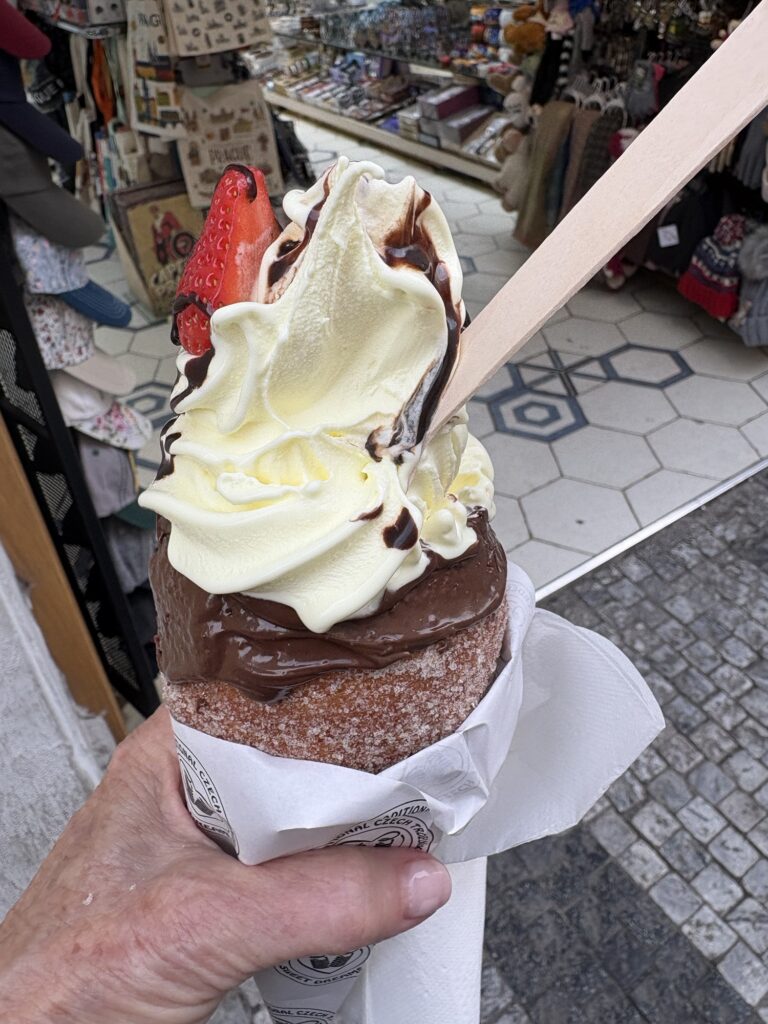
That afternoon, the group was scheduled to return to the Estates Theater to watch a four-hour production of The Marriage of Figaro. I have to confess, I am not a fan of opera. For some reason the soprano voice grates my ears. So, I opted to go off on my own and my wanderings ended up creating one of the best memories of the trip. I strolled down the “miracle mile” of Prague. It is the only tree-lined street off of the main square and contains every high-end store you can imagine. But frankly, I wasn’t going to spend time in stores that I could visit at home, so I turned down a side street and kept walking. I got a little bit lost, but I knew with the help of Google Maps I could get back to my starting point. It was a Saturday and I found a little park where I sat and watched families play with their kids and visit the local market. Then I walked some more and found a bookstore, where a nice young man who spoke perfect English helped me find a book about Czechoslovakia during WWII. I left the bookstore and found a cafe, where I had some coffee and read my book. All of that worked up an appetite so I treated myself to one of the famous Prague cinnamon donut ice cream cones. I think it was about 2,000 calories but it was worth every bite! Plus, the inside was filled with fresh strawberries, so I counted it as a fruit serving for the day. I finally met up with my tour group as they exited the theater. They talked about the great opera, but I knew in my heart that I’d had the perfect day for me. That night we ended the tour with a three-hour dinner cruise on the Vltava River.
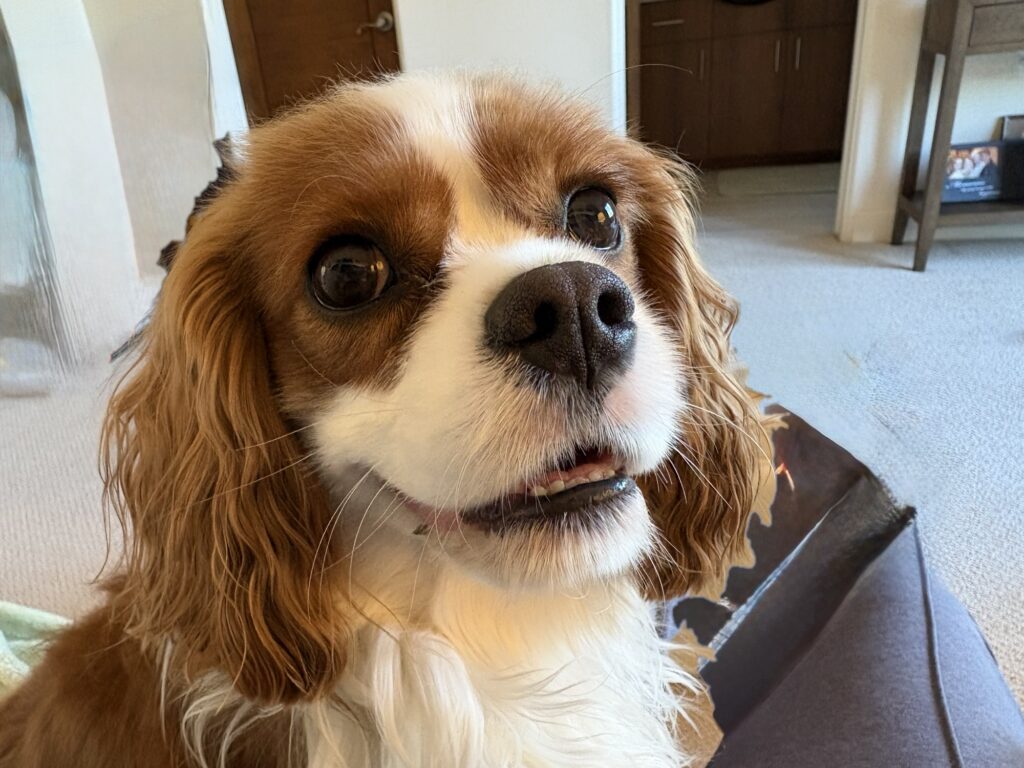
And finally, with only four hours between our return to the hotel and having to leave for the airport, the tour was over. I’m very glad I went and I will never forget the beautiful places I was lucky enough to visit. It was a great way for me to travel alone for the first time, but I did learn that I’m not a “group travel” person. I like to go at my own pace, see what I want to see, and importantly, stop when I want to stop. But I wouldn’t have known that about myself unless I tried it, so it was time well spent. It was great to get home and see the best sight of all: Dooley!